How to recognise real extra virgin olive oil
How to tell a real extra virgin olive oil: what the label says, how it should taste and why colour does not show quality.
What extra virgin means
Extra virgin olive oil is obtained from olives by mechanical means only, with no chemicals and no refining. By the standard, its free acidity is no higher than 0.8% and it has no defects in taste or aroma.
What to look for on the label
Look for the origin, the harvest year and the name of the producer. A label that says where the olives grew and when they were picked tells you more than fine words.
Taste does not lie
A fresh oil smells of fruit and green grass, is slightly bitter and gives a light burn in the throat. Bitterness and the peppery note are positive qualities. A heavy, sour or stale smell is a bad sign.
Colour and price
Colour does not show quality: a good oil can be green or golden. A very low price should make you doubt, because an oil picked by hand and extracted cold has a cost.
Buy from the producer
The safest way is to buy directly from the people who make it. Our oil comes from a single farm in Vanaj, Fier, and from a single variety, Koroneiki.
Read next
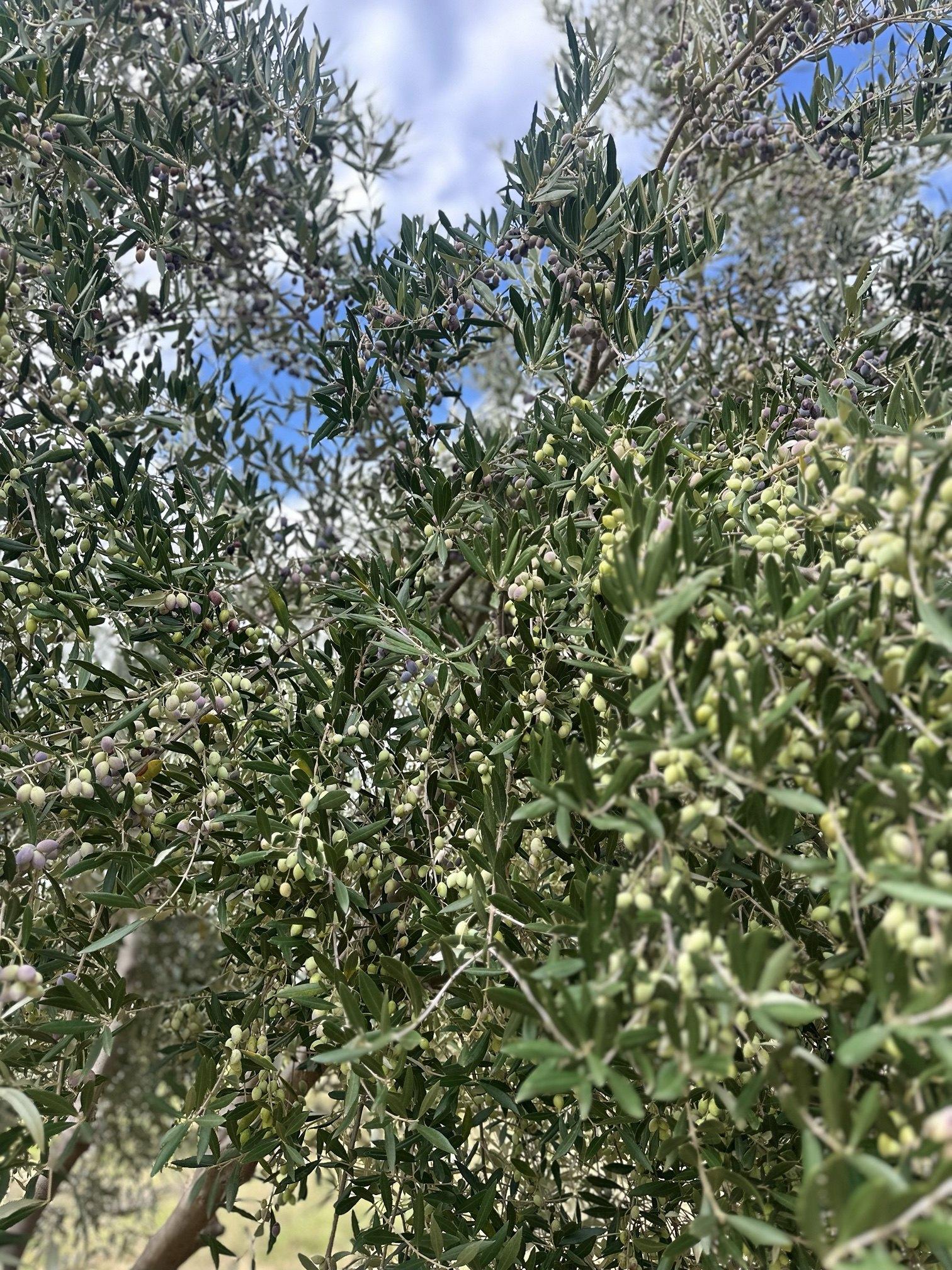 Koroneiki: the small olive with a big oilWhat the Koroneiki olive is, where it comes from, how its oil tastes and why the Kuçi family grows it in the hills of Vanaj, Fier, Albania.Read
 Cold extraction: why temperature mattersWhat cold-extracted olive oil means, why the temperature is kept below 27 °C and how the Kuçi family does it at 26 °C.Read